Pilot Scale
5–10 MW
Initial hubs in 3–5 weak-grid regions (2026–2027)

Modular 1 MW CRYOCCS® power hubs designed for weak grid segments and critical loads across Saudi Arabia. The program targets regions with unstable electricity supply, recurring outages, voltage drops, and high dependency on diesel generators.
Each hub combines firm power, cryogenic carbon capture, and usable cold/heat. This enables resilient supply islands for healthcare, water infrastructure, small industries, public services, and data/telecom nodes — with lower emissions and predictable cost of power.
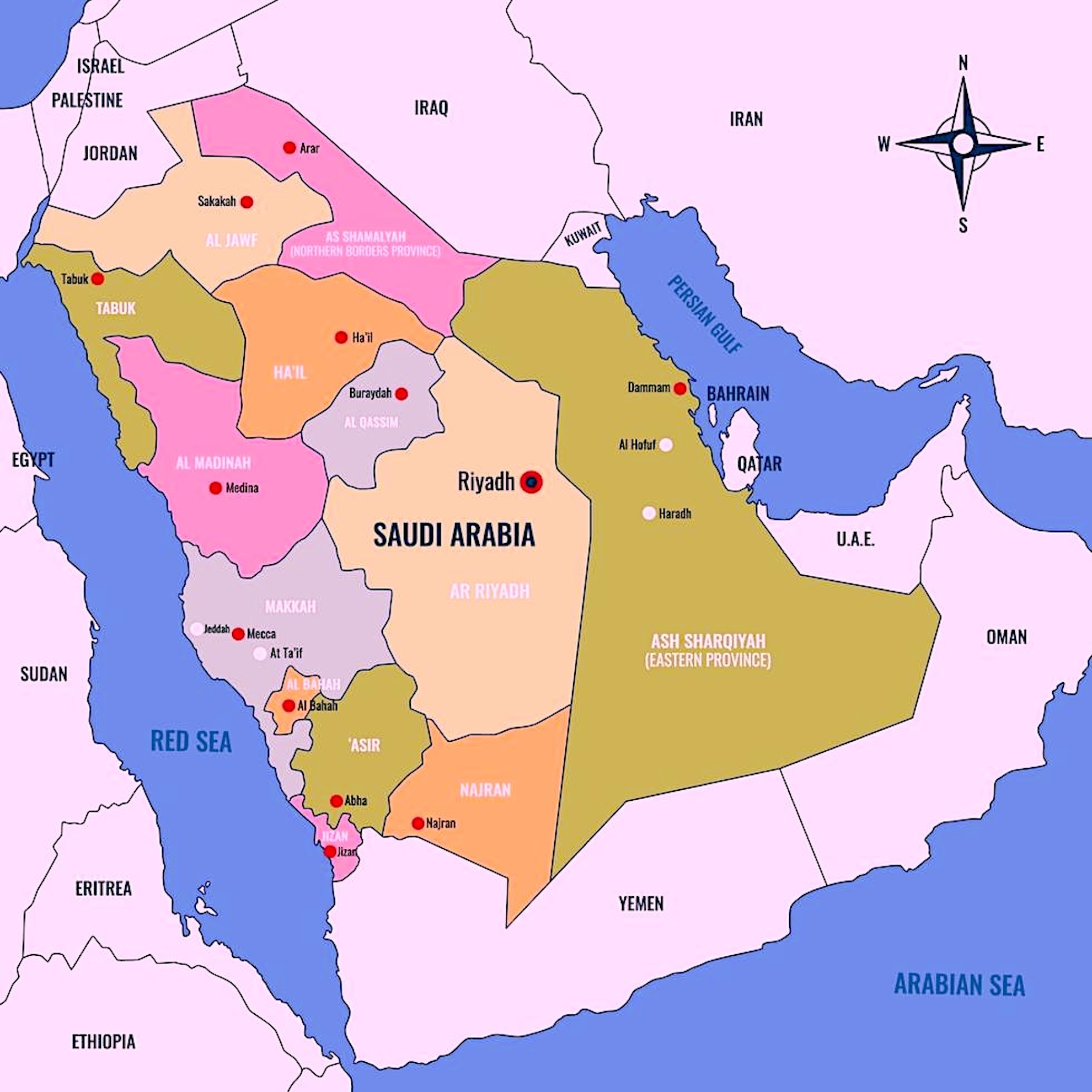
Phase 1 (2026–2027): Pilot clusters in 3–5 priority regions
Phase 2 (2028–2030): Scaling to ≥ 150 hubs across Saudi Arabia
While Saudi Arabia operates a highly developed national power system, numerous local grid pockets face instability, voltage fluctuations, peak-load stress, or insufficient redundancy. Many facilities still rely on diesel generators as primary or backup supply.
CRYOCCS® hubs at these weak points deliver predictable, 24/7 firm power while significantly lowering emissions and enabling climate-financing mechanisms.
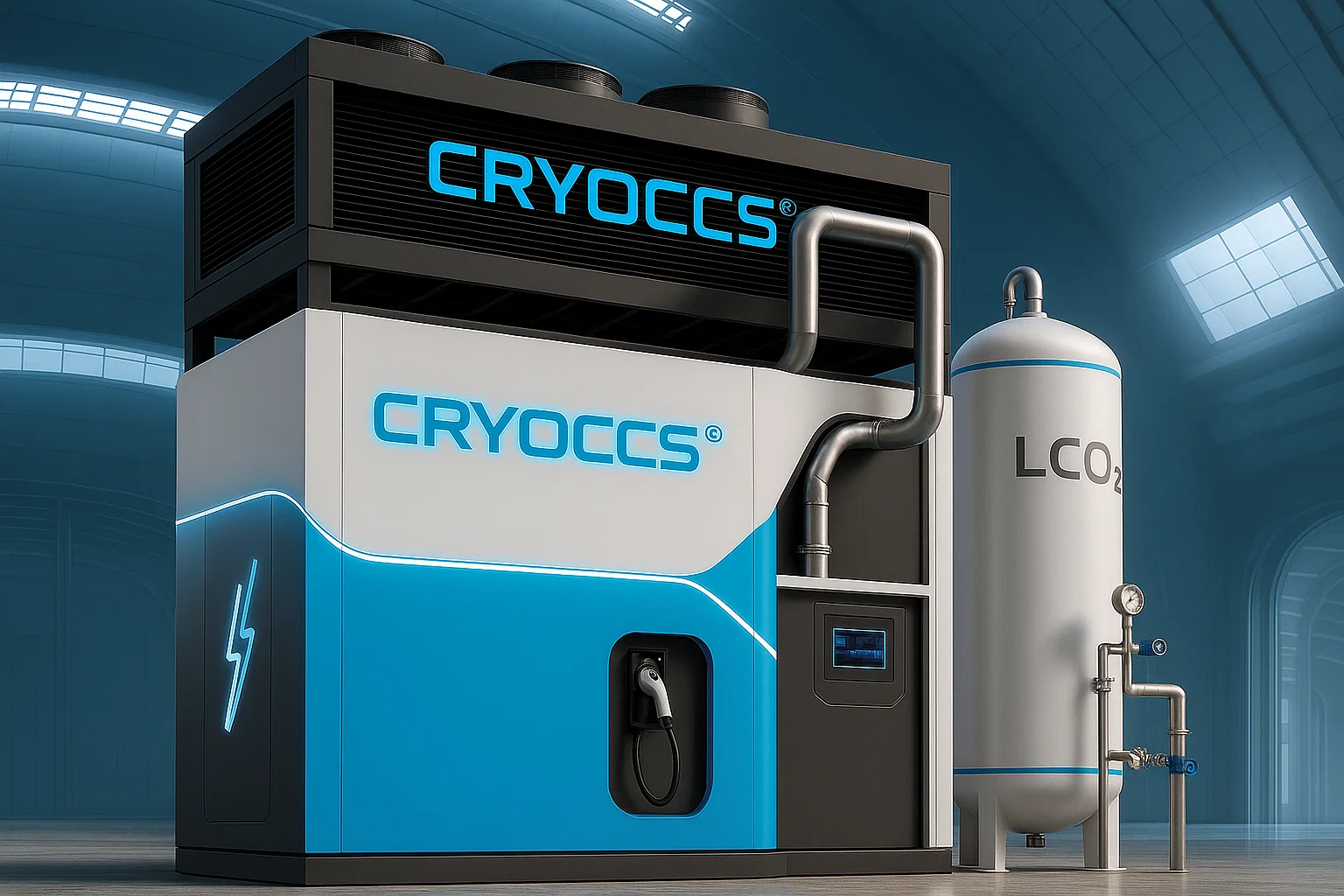
One hub typically supplies 2,000–4,000 household equivalents or a mix of households, public services, and industrial loads.
Difference vs. Africa: Africa programs target broad energy access. Middle East focuses on quality + resilience in specific weak-grid nodes, with higher investment per kW and higher-value applications.
Structure resembles long-term distributed PPA models — replacing diesel with predictable 24/7 supply.
Difference vs. Africa: Middle East includes high-value cooling & data-center applications due to extreme climate.
| Annual electricity revenue | ≈ €1.0–1.5 M |
| Additional CO₂/climate value | €0.10–0.25 M |
| Target LCOE to end-users | 0.11–0.20 €/kWh |
Values depend on fuel price, integration, location, and available climate instruments.
| Package | Clusters in weak-grid regions |
| Regions | 3–5 priority regions |
| Hubs per region | 2–4 |
| Total capacity | 5–10 MW |
| Sectors | Health, water, data, small industry |
| Program vision | ≥ 150 × 1 MW hubs |
| Total capacity | ≥ 150 MW |
| CO₂ impact | > 150,000 t/yr |
| Population reached | > 500,000 |
Comparison with Africa: Africa 2030 targets ≥ 500 MW and > 2 M people. Saudi Arabia’s program is intentionally focused at ~20–30% of Africa’s scale, but with higher investment per kW and more demanding applications.
This page summarises the Middle East 2030 briefing for utilities, regulators, investors, and development partners. Technical & financial documentation can be provided under NDA.
Please reach out via the main contact form and include the reference: “CRYOCCS Middle East Program 2026–2030 – Saudi Arabia”.